Wisdom Teeth Removal
Wisdom Teeth Removal in Hornsby
Wisdom teeth, also known as third molars, are the last teeth to develop and usually emerge between the ages of 17 and 25. While some people have no issues with their wisdom teeth, many experience pain, crowding, infection, or impaction that requires professional assessment and removal.
What Are Wisdom Teeth?
Wisdom teeth are the four final molars located at the very back of your mouth. Because they are the last to emerge, there is often not enough room in the jaw for them to grow in properly. When this happens, they may become impacted (stuck beneath the gum or bone), grow at an angle, or push against neighbouring teeth.
Signs You May Need Wisdom Teeth Removal:
- Pain or tenderness at the back of the jaw
- Swollen, red, or tender gums around the wisdom tooth area
- Recurring infection of the gum tissue surrounding the tooth (pericoronitis)
- Crowding or shifting of adjacent teeth
- Difficulty opening your mouth or chewing
- Cyst formation around an impacted tooth (detected on x-ray)
- Decay in the wisdom tooth or neighbouring teeth due to difficulty cleaning
The Procedure — Step by Step:
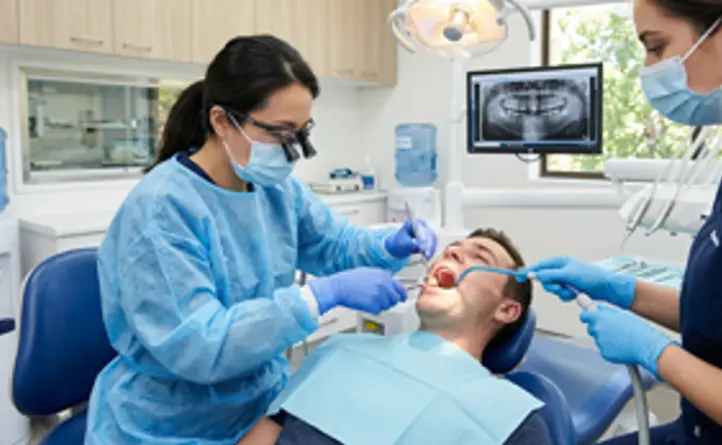
- Assessment: We examine your mouth, take x-rays (including OPG or CBCT if needed), and assess the position, angle, and roots of your wisdom teeth.
- Treatment Planning: We explain the findings, discuss your options, and develop a personalised treatment plan including sedation preferences.
- Anaesthesia and Sedation: Local anaesthesia is administered to numb the area. Sedation options (happy gas, oral sedation, or IV sedation) are available for your comfort.
- Extraction: The tooth is carefully removed. For impacted teeth, a small incision in the gum may be necessary. The area is cleaned and stitches are placed if required.
- Post-Procedure Care: We provide detailed aftercare instructions and pain management guidance before you leave the clinic.
Recovery Timeline:
Day 1 (Day of Procedure):
Rest with your head elevated. Bite gently on gauze to control bleeding. Apply a cold compress to the outside of your cheek (20 minutes on, 20 minutes off). Eat soft, cool foods. Avoid rinsing, spitting, or using a straw.
Days 2-3:
Swelling and mild bruising may peak. Continue soft foods and gentle salt water rinses (starting 24 hours after surgery). Take prescribed pain relief as directed. Avoid strenuous physical activity.
Week 1-2:
Swelling gradually subsides. You can begin returning to normal foods as comfort allows. Stitches (if non-dissolvable) are removed at a follow-up visit. Most patients return to normal activities within a few days.
Sedation Options:
We offer a range of sedation options to ensure your wisdom teeth removal is as comfortable as possible:
- Happy Gas (Nitrous Oxide): Mild sedation that helps you relax while remaining conscious. Effects wear off quickly.
- Oral Sedation: A prescribed tablet taken before your appointment for deeper relaxation. You will need someone to drive you home.
- IV Sedation: Administered by visiting sedation specialists for a deeper level of relaxation, often described as twilight sleep. Ideal for complex or multiple extractions.
Cost Considerations:
The cost of wisdom teeth removal varies depending on the complexity of the extraction, the number of teeth being removed, and the type of sedation chosen. During your consultation, we will provide a clear treatment plan with transparent pricing. We accept all major health funds with HICAPS on-the-spot claiming, and can discuss payment options to suit your needs.
Book a wisdom teeth consultation today — call us at 0429 297 209 or book online.
0+
Years of Service
0+
Smiles Treated
0+
Specialists
Have questions or need to book a visit? Our friendly front desk can help you find a time that suits your schedule.
Same-day emergency slots are often available.