Childhood Obstructive Sleep Apnoea: A Guide for Parents
Snoring is common in children. But when snoring is loud, frequent, or accompanied by pauses in breathing, restless sleep, or daytime fatigue, it may indicate obstructive sleep apnoea (OSA) — a condition that affects an estimated 1 to 5 per cent of children and can have real consequences for their health, growth, and development.
Childhood OSA is not simply a sleep problem. When left untreated, it has been linked to learning and behavioural difficulties, problems with growth, and, over time, cardiovascular effects. The good news is that for most children, effective treatment is available — and early recognition makes a significant difference.
What Is Obstructive Sleep Apnoea?
During sleep, the muscles of the upper airway relax. In a child with OSA, this relaxation causes the airway to narrow or close temporarily, reducing airflow to the lungs. The brain detects the drop in oxygen and triggers a brief arousal to reopen the airway — often without the child or parent being aware. These events can repeat many times during the night, preventing the deep, restorative sleep a growing child needs.
OSA is distinct from primary snoring, where a child snores but does not have breathing pauses or significant oxygen drops. Primary snoring is common and generally harmless; OSA is less common but requires attention.
Signs and Symptoms to Watch For
During sleep, your child may:
- Snore loudly and regularly (most nights)
- Have noticeable pauses in breathing, sometimes followed by a gasp or snort
- Breathe through their mouth
- Sleep in unusual positions — often with the neck extended — to keep the airway open
- Be restless, tossing and turning throughout the night
- Sweat excessively, even in a cool room
- Wet the bed more than expected for their age
During the day, signs can include:
- Difficulty waking in the morning or persistent tiredness despite adequate hours of sleep
- Mouth breathing during the day
- Headaches on waking
- Difficulty concentrating, poor school performance, or memory problems
- Behavioural changes — hyperactivity, irritability, aggression, or mood swings that may sometimes be mistaken for ADHD
- Slower growth than expected
It is worth noting that children with OSA often do not appear tired in the way adults do. Instead, they may present with hyperactivity or behavioural problems — which is one reason OSA can go unrecognised for some time.
What Causes OSA in Children?
The most common cause of OSA in otherwise healthy children is enlargement of the tonsils and adenoids — lymphoid tissue at the back of the throat and behind the nose. In young children, this tissue can be proportionally large relative to the airway, narrowing the space available for airflow during sleep.
Other contributing factors include:
- Obesity — excess tissue around the neck and throat can further reduce airway size, and the prevalence of OSA in children is increasing alongside rising rates of childhood obesity
- Nasal allergies and chronic congestion — blocked nasal passages force mouth breathing and can worsen upper airway narrowing
- Craniofacial anatomy — a narrow jaw, high-arched palate, recessed chin, or certain conditions such as Down syndrome or Pierre Robin sequence affect the shape of the airway
- Neuromuscular factors — conditions that affect muscle tone can reduce the airway's ability to stay open during sleep
How Is It Diagnosed?
If a GP, paediatrician, ENT specialist, or dentist suspects OSA, they will typically refer your child for further assessment. Diagnosis is confirmed through a sleep study — usually an overnight polysomnography (PSG) conducted in a sleep laboratory, where breathing, oxygen levels, brain activity, and other parameters are monitored during sleep.
In some cases, a simpler home overnight oximetry test — which measures oxygen levels throughout the night — may be used as an initial screening tool. A full sleep study provides the most detailed information and is recommended when OSA is strongly suspected or when results will guide surgical decisions.
Treatment Options
Treatment depends on the cause, severity, and the child's overall health.
Adenotonsillectomy (surgical removal of tonsils and adenoids)
For children whose OSA is caused by enlarged tonsils and adenoids, adenotonsillectomy is the recommended first-line treatment and is effective in around 70 to 90 per cent of otherwise healthy, normal-weight children. The procedure is well established and generally safe. Most children experience a significant improvement in sleep, breathing, and behaviour after recovery.
CPAP (Continuous Positive Airway Pressure)
CPAP delivers a gentle stream of air through a mask worn during sleep, keeping the airway open. It is recommended for children who do not respond adequately to surgery, or for whom surgery is not suitable — for example, children with complex medical conditions or significant obesity. CPAP is effective but does require the child to tolerate wearing a mask each night; a gradual introduction and supportive approach usually improves compliance.
Weight management
In children whose OSA is related to obesity, achieving a healthy weight can significantly improve symptoms. Weight management is often recommended alongside other treatments rather than as a sole intervention.
Allergy and nasal treatments
Where nasal congestion or allergic rhinitis is contributing, appropriate management — including nasal corticosteroid sprays — can improve nasal airflow and reduce OSA severity in some children.
Dental and orthodontic approaches
In selected children — particularly those with a narrow upper jaw — orthodontic palate expansion may improve the size of the nasal airway and contribute to better breathing. Myofunctional therapy, which involves exercises to improve tongue posture and oral muscle function, is sometimes recommended alongside other treatment. These approaches are most effective as part of a coordinated plan involving medical and dental specialists.
What Happens If OSA Is Left Untreated?
Untreated OSA disrupts the deep sleep that children need for growth, learning, and emotional regulation. Over time, the effects can compound:
- Growth hormone is primarily released during deep sleep — chronic sleep disruption can affect growth
- Learning, memory consolidation, and attention are all impaired by poor sleep quality
- Behaviour problems linked to poor sleep can affect school performance and social development
- Long-term, untreated OSA is associated with elevated blood pressure and cardiovascular effects
Early treatment significantly reduces these risks. Most children who receive appropriate care see meaningful improvements across multiple areas — sleep, behaviour, growth, and dental health.
The Role of Your Dentist
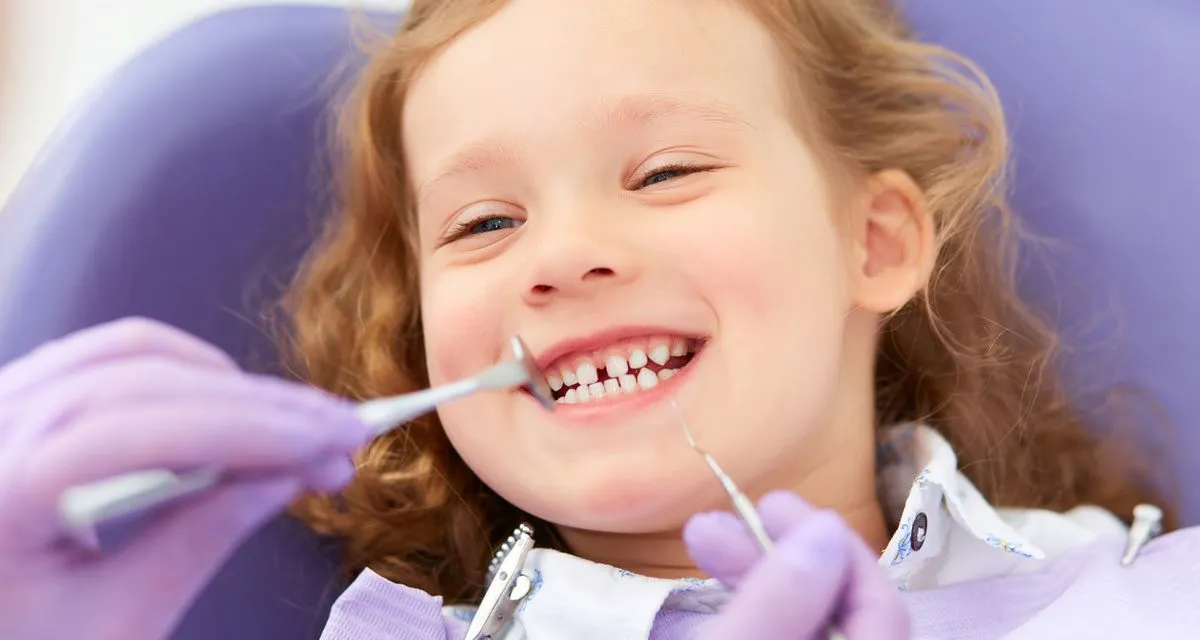
Dentists see children regularly and are in a position to notice early signs of airway and breathing concerns — a narrow palate, crowded teeth, mouth-breathing posture, signs of night grinding, or enlarged tonsils visible on examination. At Whitehouse Dental, these observations are part of how we approach children's dental care.
If we notice signs that warrant attention, we will discuss them with you and recommend the appropriate next step — whether that is a conversation with your GP, a referral to a paediatrician or ENT specialist, or monitoring over time. We do not diagnose OSA, but we can be an important part of recognising when further assessment is needed.
If you have concerns about your child's breathing, snoring, or sleep — or if you would like to discuss what a children's dental check-up involves — we welcome you to get in touch. Early conversations lead to early answers.
This article is intended for general information and parent education purposes only and does not constitute medical or dental advice. Please consult a qualified healthcare professional for assessment and treatment of your child's symptoms.
Written by
Whitehouse Dental Services
Whitehouse Dental Services, Hornsby NSW
Ready for your appointment?
Our team is here to help you achieve your smile goals.